Fixed fee agreed before we start
Compliant
Completed as standard on London sites
Sustainable Drainage Systems (SuDS), sometimes called sustainable urban drainage systems, manage rainwater close to where it falls instead of piping it straight into the sewer. They copy natural drainage: storing water, letting it soak into the ground and releasing it slowly.
A SuDS strategy is the report that shows your council how surface water from a new development will be managed. It explains where the water will go, how fast it will leave the site, how much storage is needed, how water quality will be protected and who will maintain the system.
Councils use different names for the same document, including drainage strategy, surface water drainage strategy, SuDS statement, SuDS report and sustainable drainage strategy. What matters is that it meets your council's validation requirements and the standards set by the Lead Local Flood Authority.
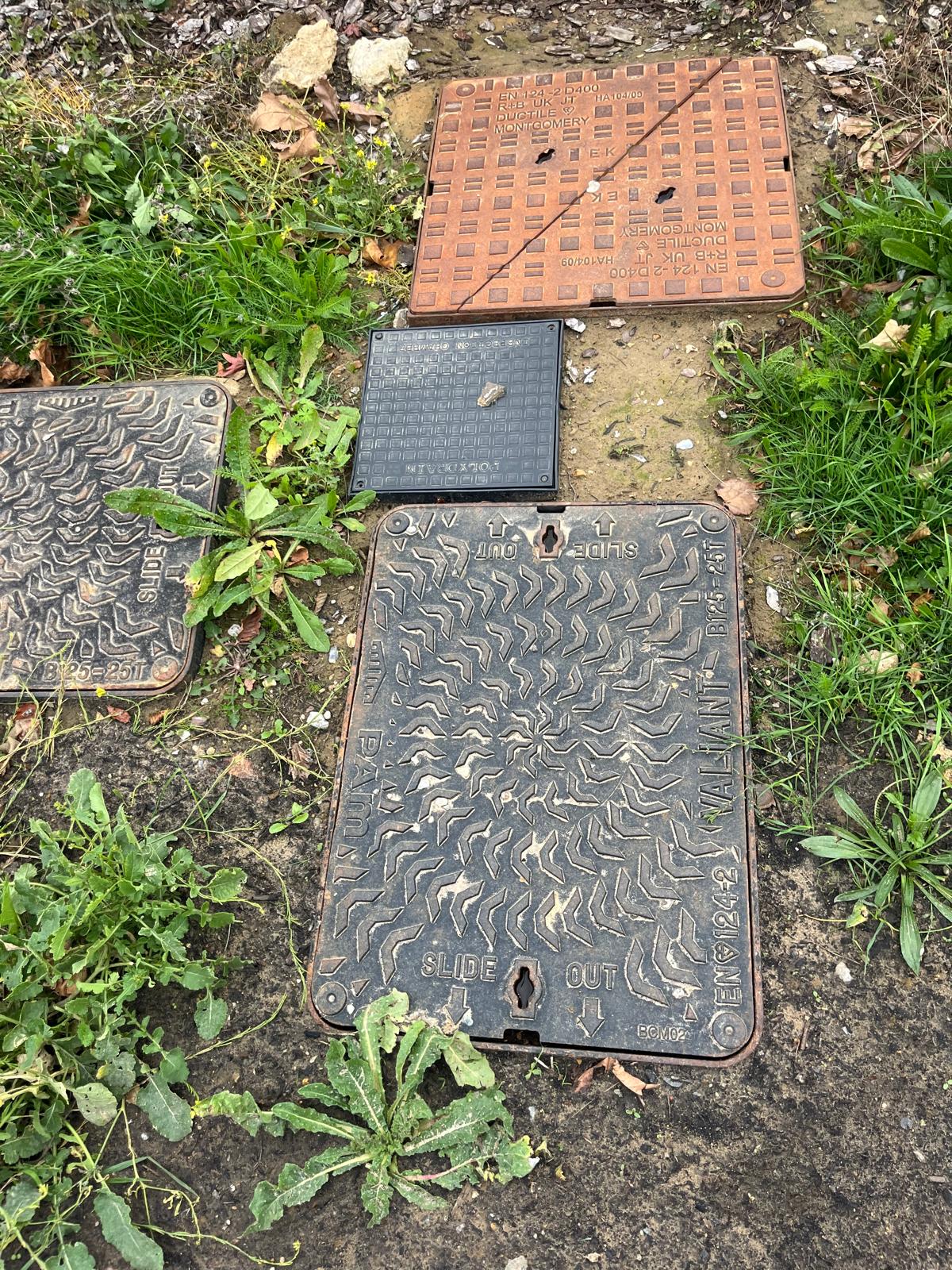
A flood risk assessment looks at the risk of flooding to your site from rivers, the sea, surface water and other sources. A SuDS strategy deals with the water your development produces, making sure it does not increase flood risk elsewhere. Many applications need both, and we can prepare them together.
A SuDS strategy shows that drainage will work, which is what councils usually need before granting planning permission. Detailed design adds construction drawings and final calculations, and is often required later to discharge a planning condition. We provide both.
Since the revised National Planning Policy Framework was published on 17 August 2026, sustainable drainage is required on all development, not just major schemes. Drainage must be designed in line with the National Standards for Sustainable Drainage Systems, and your application will usually need a SuDS statement or drainage strategy to show this.
In practice, you are likely to need a SuDS strategy if your project is:
Major development: 10 or more homes, a housing site of 0.5 hectares or more where the number of homes is not yet known, 1,000 square metres or more of new floorspace, or a site of 1 hectare or more. The Lead Local Flood Authority is a statutory consultee on these applications.
Smaller schemes: A smaller scheme that adds roofs or hard surfaces, such as new houses, extensions, basements or car parks, where the council's validation list asks for drainage information.
Critical Drainage Areas: A site in a Critical Drainage Area or an area with a history of surface water flooding.
Planning conditions: A project subject to a planning condition asking for drainage details before work starts.
Enviropass provides sustainable drainage strategies, design and technical support for planning applications across London and England. Our services cover every stage, from early feasibility through to detailed design and discharge of planning conditions.
Our core report for planning. We assess the site, calculate runoff rates and storage, choose suitable SuDS features and set out a drainage solution that meets national and local standards.
Sizing of attenuation tanks, permeable paving, soakaways, green roofs and flow controls, with hydraulic calculations and drainage layout drawings. Suitable for full applications and for discharging drainage conditions.
An early-stage review of which SuDS options will work on your site and roughly how much space they need. Useful before a design is fixed or for outline applications.
We complete the London Sustainable Drainage Proforma, which many London boroughs and the Greater London Authority ask for with applications.
If permission was granted with a drainage condition, we prepare the information needed to discharge it.
How wastewater from the development will be dealt with, including connection to the public sewer or off-mains options under Building Regulations Part H. From £450 + VAT.
A plan setting out who maintains each SuDS feature, what needs doing and how often, so the system keeps working for the life of the development.
If the Lead Local Flood Authority or council comes back with questions or an objection on our report, we respond and update the strategy.
Every SuDS strategy is tailored to the site and the council, but will normally include:
A description of the site, the proposed development and the existing drainage.
Ground conditions and infiltration potential, using geological data and infiltration test results where available.
Greenfield runoff rates (calculated using the IH124 or ReFH2 methods) and, for brownfield sites, existing runoff rates.
A review of the drainage hierarchy, explaining which discharge routes are possible and why.
The proposed SuDS features and an outline drainage layout.
Storage calculations for storms up to the 1 in 100 year event, including the Environment Agency's climate change allowance and an allowance for urban creep.
Flow control details and the proposed discharge rate.
Exceedance flow routes, showing where water goes in a storm bigger than the system is designed for.
Water quality measures to protect the receiving sewer, watercourse or ground.
A maintenance and management plan.
The London Sustainable Drainage Proforma, for London sites.
Published by Defra on 19 June 2025, the National Standards set out seven standards for SuDS in England. Since August 2026, the NPPF requires drainage on all development to be designed in line with them.
| Standard | What it means for your site |
|---|---|
| 1. Runoff destinations | Rainwater must follow a hierarchy: reuse first, then infiltration into the ground, then discharge to a watercourse or other surface water body, then a surface water sewer, with a combined sewer as the last resort. Cost alone is not a reason to move down the hierarchy. |
| 2. Everyday rainfall | The first 5 mm of rainfall in most storms should be held on site (interception) rather than leaving the site, usually through green roofs, permeable surfaces or planting. |
| 3. Extreme rainfall and flooding | Runoff rates and volumes are controlled for storms up to the 1 in 100 year event, using the upper end climate change allowance. On brownfield sites, any relaxation above greenfield rates must be justified and no more than five times the greenfield rate. |
| 4. Water quality | The design must treat runoff to suit the pollution risk of the land use, using a series of SuDS features where needed. |
| 5. Amenity | SuDS should improve the place for people, for example through attractive, safe green and blue spaces. |
| 6. Biodiversity | SuDS should support biodiversity and can contribute to Biodiversity Net Gain. |
| 7. Design, construction and maintenance | The system must be buildable, structurally sound and maintainable for its whole life, with a clear maintenance plan. |
The revised NPPF gives flood risk its own chapter (Chapter 18). Its sustainable drainage policy applies to development of any size and requires drainage to meet the National Standards. Applications decided from 17 August 2026 must comply.
In London, Policy SI 13 asks developments to aim for greenfield runoff rates and to manage surface water as close to where it falls as possible, following the London Plan drainage hierarchy:
The right mix depends on the ground, the space available and where the water can go. Most schemes use more than one feature, working together to store, clean and slow down runoff.
| SuDS Feature | How It Works | Works Well For |
|---|---|---|
| Green roof | Planted roof that absorbs and slows rainfall. | Flat roofs, tight urban sites; helps meet the 5 mm interception standard. |
| Blue roof | Flat roof that stores water and releases it slowly. | Dense sites with no space at ground level. |
| Rainwater harvesting | Collects roof water for reuse, e.g. toilet flushing or irrigation. | Top of the hierarchy; houses, schools, commercial buildings. |
| Permeable paving | Water passes through the surface into a stone layer below. | Driveways, car parks, patios. |
| Soakaway or infiltration crates | Underground store that lets water soak into the ground. | Sites with permeable ground, such as sand or gravel. |
| Rain garden | Planted dip that collects and filters runoff. | Gardens, landscaping, street edges. |
| Swale | Shallow grassed channel that carries, stores and cleans water. | Larger sites, roadsides, open space. |
| Detention basin or pond | Dry basin or permanent pond that stores storm water. | Larger sites; adds amenity and biodiversity value. |
| Attenuation tank | Underground tank that stores water and releases it at a set rate. | Sites where water cannot soak away, e.g. on clay. |
| Flow control | Vortex control or orifice plate limiting the outflow rate. | Used with storage on almost every site. |
We will recommend the features that suit your site and budget, and explain why others have been ruled out, which is what the council needs to see.
London sites bring their own drainage challenges, and boroughs look closely at how they have been dealt with.
Much of London sits on clay, which drains slowly. Soakaways often will not work, so storage and controlled discharge are usually needed. Infiltration testing to BRE 365 confirms what the ground can take.
Large parts of inner London drain to combined sewers that carry both rainwater and wastewater. Discharging to them is the last resort in the drainage hierarchy, and you will need to show why other options are not possible.
Tight urban plots often rely on green or blue roofs, permeable paving and tanks below car parks or gardens.
River gravels near the Thames and its tributaries can hold high groundwater, which affects basements and infiltration.
Many boroughs identify areas with known surface water problems, where drainage requirements are stricter.
Many boroughs ask for it with every application, so we complete it as standard.
If your site also has a flood risk issue, see our flood risk assessment service.
We provide clear, fixed-fee pricing for SuDS strategies and foul drainage reports. You will know the cost before any work starts.
Planning-ready sustainable drainage strategies for developments across London and England.
Fixed fee agreed before work starts.
A strategy explaining how wastewater from your development will be managed, including public sewer connections or off-mains options.
Fixed fee agreed before work starts.
You will receive a clear quotation before any work begins. The fee is agreed in advance based on your project requirements.
Size and type of development
Stage of the planning application
Number of discharge options that need to be assessed
Whether detailed design drawings are needed
The council's specific requirements
If your development also requires a flood risk assessment, we can provide a combined quotation for both services.
Get Your Fixed-Fee Quote →Explore our drainage and sustainable drainage projects, demonstrating our experience in preparing planning-ready solutions for developments.
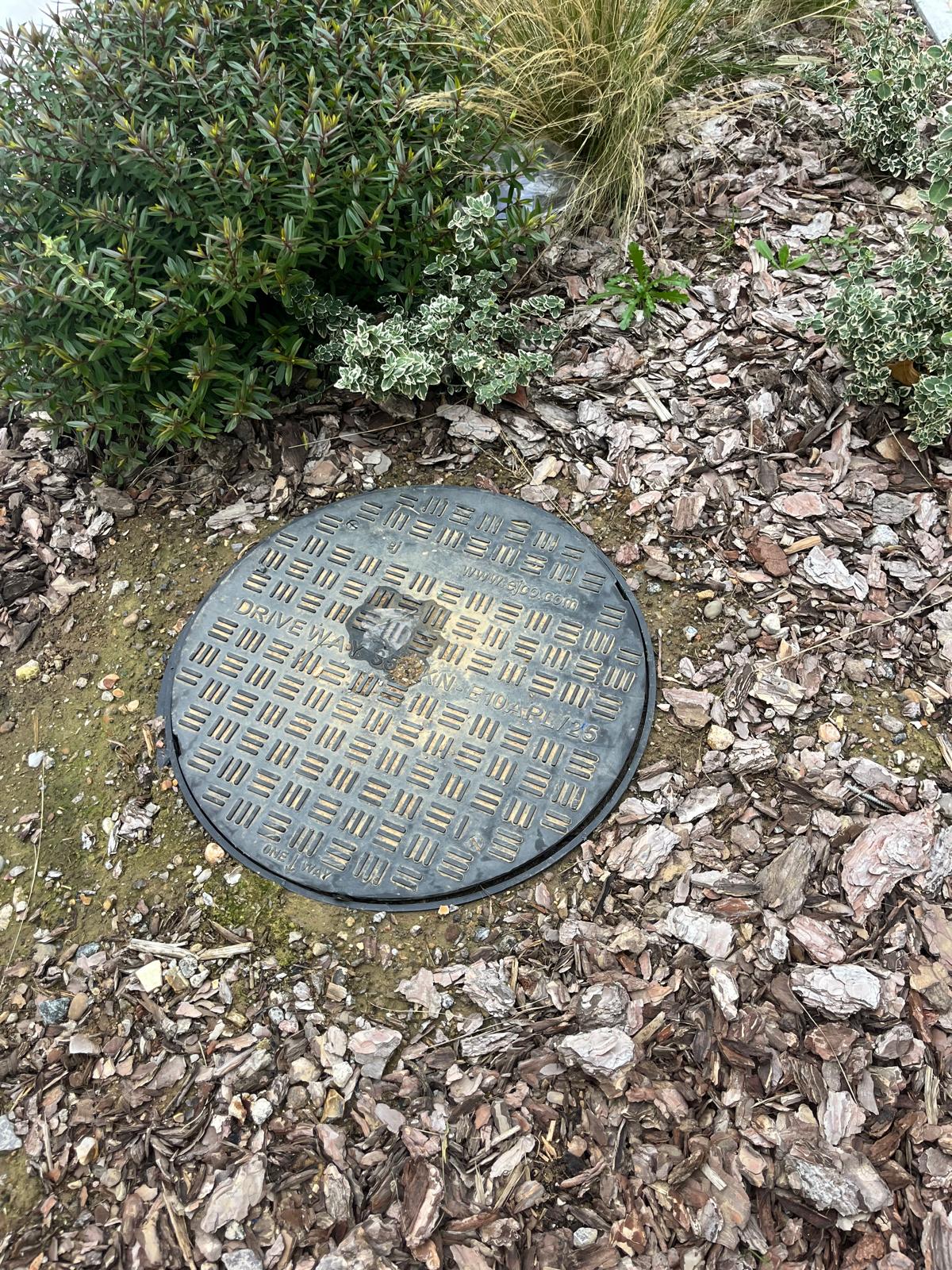
Flood risk assessment and sustainable drainage strategy for a residential development in Wennington Road.
Choosing the right drainage consultant can make a real difference to your planning application. We combine technical expertise, clear pricing and practical planning support.
You will know the price before we start. We agree a fixed fee in advance, so you can plan your project costs with confidence.
Most reports are delivered within 7–12 working days, helping you keep your planning application moving.
Our strategies are written to the 2025 National SuDS Standards, the August 2026 NPPF and, for London projects, the London Plan and your borough's requirements.
We also prepare flood risk assessments, topographical surveys, geo-environmental reports and Biodiversity Net Gain assessments, so you can get the reports your application needs from one team.
If the council comes back with questions, we deal with them. Our team provides practical support and responds to queries raised by the Lead Local Flood Authority, helping your application move forward.
From your initial enquiry to planning review, Enviropass provides clear, practical and professionally prepared drainage strategies tailored to your development.
Have questions about SuDS strategies, drainage requirements or planning applications? Find answers to the questions we are most often asked.
In planning terms, yes. Since August 2026, the NPPF requires sustainable drainage on all development, designed to the National Standards for Sustainable Drainage Systems. In England there is not yet a separate SuDS approval body: drainage is assessed through the planning application. Wales has had SuDS Approving Bodies since 2019.
Often, yes. Because SuDS now apply to all development, many councils ask for drainage information on small schemes, especially new houses, basements and large extensions. A small site usually needs a shorter, simpler strategy. Check your council's validation list or ask us.
Usually nothing. Councils use different names for the same document. A drainage strategy may also cover foul water, while a SuDS strategy focuses on surface water.
A flood risk assessment looks at the risk of flooding to your site. A SuDS strategy shows how rainwater from your development will be managed so it does not increase flooding elsewhere. Many applications need both.
The rate at which rainwater would run off the site if it were undeveloped land. Councils usually want new development to discharge at or close to this rate. On brownfield sites, a reduction from the existing rate may be accepted where greenfield rates cannot be achieved.
The order of preference for where rainwater goes: reuse it, let it soak into the ground, discharge it to a watercourse, then to a surface water sewer, and only as a last resort to a combined sewer. You have to show why each higher option is not possible before moving down.
If the drainage design relies on water soaking into the ground, councils usually want infiltration testing to BRE Digest 365 to confirm the ground can take it. On sites known to be clay, a desk study may be enough to rule infiltration out.
Yes. Clay rules out most soakaways, but green and blue roofs, rainwater harvesting, permeable paving with storage, rain gardens and attenuation tanks all work on clay sites.
An underground store that holds rainwater during a storm and releases it slowly through a flow control. It is sized so that storms up to the 1 in 100 year event, plus climate change and urban creep, can be stored without flooding.
The gradual increase in hard surfaces over time, such as new patios and extensions. Drainage designs include an allowance for it, typically 10% on residential sites.
A standard London form summarising a scheme's drainage, including site details, the drainage hierarchy, runoff rates and storage volumes. Many boroughs ask for it with planning applications. We complete it as part of every London SuDS strategy.
The council responsible for managing local flood risk from surface water, groundwater and small watercourses. In London, each borough is its own Lead Local Flood Authority. It is a statutory consultee on drainage for major development.
An objection usually means more information is needed, for example extra calculations, infiltration test results or a revised layout. We review the comments, update the strategy and respond to the council.
Sometimes. Councils usually need to see that a workable drainage solution exists before granting permission, but detailed design is often left to a condition. Major developments normally need a full strategy at application stage.
It depends on the site. It may be the homeowner, a management company, the water company or the council. The SuDS strategy includes a maintenance plan that sets out who is responsible and what needs doing.
Tell us about your development and our team can help you understand your drainage requirements.
Send us the site address and a short description of your project, with plans if you have them. We will confirm what your council needs and send a fixed-fee quote. Or call us on 0203 488 0225.
Explore the official guidance, planning policies and technical resources relevant to sustainable drainage systems and SuDS design in England and London.
Official SuDS design and maintenance standards – GOV.UK
National planning policies for development in England – GOV.UK
London's sustainable drainage and surface water policy – GLA
Technical guidance for planning, designing and maintaining SuDS
Official drainage proforma and borough resources – GLA
Need help with your drainage strategy? Our team can help you understand the relevant standards, planning requirements and SuDS options for your development.

Sign up to receive our latest updates, information and insights.